01
The Child's Perspective
Helps parents see the divorce through their children's eyes, at their actual ages and stages.


When there are children, the collaborative team brings in a child specialist. Their job is to keep the parenting plan tied to how your kids actually live and grow, not to abstract legal categories, and to do it without ever putting a child in the middle.
First call is a conversation, not a commitment.
When children are involved, a collaborative team adds a child specialist, a neutral professional who brings the children's needs and perspective into the planning. The parenting plan gets built around how kids actually live and develop, without putting the children in the middle of the divorce.
In a courtroom custody fight, children can become evidence. Their preferences get litigated, their words get repeated back through lawyers, and they often feel the weight of choosing sides. Collaborative divorce takes a different route. It brings a child specialist onto the team, a neutral professional whose entire role is to keep the focus on what actually serves the children, while shielding them from the conflict between their parents.
The child specialist is usually a professional with a background in mental health or child development. They help the parents understand how their children are experiencing the divorce, what those children need at their particular ages and stages, and how different parenting arrangements would land in practice. They bring the children's perspective into the room so the parents can plan with it in view.
This is the crucial part. Bringing the children's voice into the planning does not mean making the children choose or testify. The specialist gathers what is needed in age-appropriate ways and represents the children's interests to the team. The kids are spared the impossible position of picking between parents, while the parents still get real insight into what their children need.
A parenting plan written purely in legal categories can look fine on paper and fail on a Tuesday. A child-focused plan accounts for how children actually live: their school schedules, activities, friendships, routines, and developmental needs. The specialist helps translate those realities into a schedule and a set of arrangements that will actually work, and that can grow with the children over time.
It is worth being clear that this is not the same as a court custody evaluation. An evaluator in litigation investigates and then recommends an outcome to a judge. A collaborative child specialist is a neutral team member who helps both parents build a workable plan together, outside any contested court process. The goal is not to win a custody fight. It is to design something the whole family can live with.
A child specialist brings the children's voice into the room without putting the children in the middle. The kids are spared the impossible job of choosing between parents, and the parents still plan with real insight into what their children need.
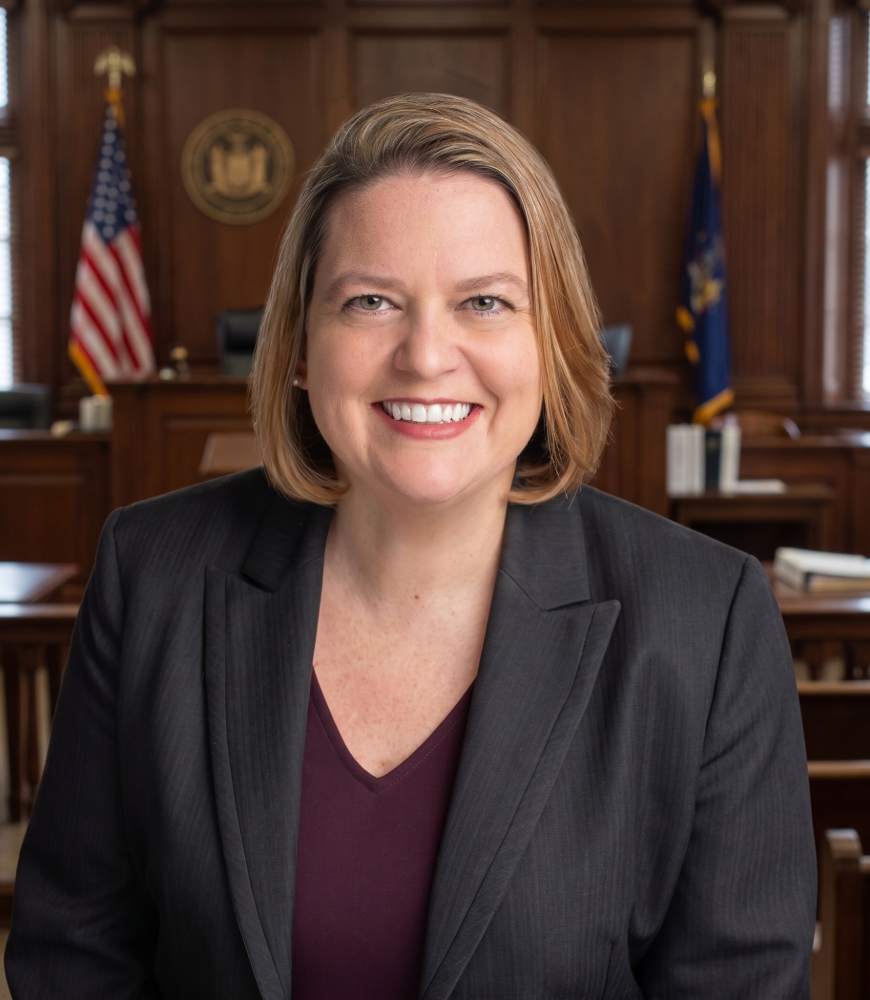
"The plan that looks fair on paper is not always the plan that works on a school night. The child specialist is how we tell the difference."
I have seen parenting plans that divided time down to the hour and still made everyone miserable, because they were built around fairness to the adults rather than the reality of the children. A good child specialist changes that. They help parents step out of their own conflict long enough to see what their kids actually need, and they do it without ever asking a child to take sides. For families with children, this is often the part of the collaborative process that matters most years later, because it is the part the children carry with them.
These are the questions parents ask most about how children fit into the process. If yours is not here, we are happy to answer it directly.
A child specialist is a neutral professional, usually with a mental health or child development background, who joins the collaborative team when there are children. They bring the children's needs and perspective into the planning without putting the children in the middle of the divorce.
The process builds the parenting plan around how children actually live and develop, rather than around abstract legal categories. The child specialist helps the parents design a plan that fits the children's ages, routines, and real needs.
Generally no. The point of the child specialist is to bring the children's voice into the room without making the children themselves participate in adult negotiations. The specialist gathers what is needed and represents the children's interests to the team.
No. A custody evaluator in litigation investigates and recommends an outcome to a court. A collaborative child specialist is a neutral team member who helps both parents build a workable parenting plan together, outside of any contested court process.
Tell us about your family, and we will explain how a child specialist works and how the collaborative process protects children through a divorce. Three offices across Northern Virginia, one phone number.