01
The Agenda
We review what the meeting will cover so there are no surprises and you know exactly what to expect.


Collaborative divorce moves forward in structured sessions: both spouses, both attorneys, and the team members who are needed that day. They are calm, focused, and prepared. We make sure you walk into each one ready.
First call is a conversation, not a commitment.
A four-way meeting is a structured working session with both spouses and both attorneys in the room, joined by the relevant team members. Issues get worked through face to face, following an agenda set in advance. Your attorney prepares you before each one, which is what keeps them calm and productive.
People sometimes imagine collaborative divorce as a few friendly conversations over coffee. It is friendlier than litigation, but it is not casual. The engine of the process is the four-way meeting: a structured session where the real decisions get made, with everyone who needs to be there in the same room. The structure is the point. It is what lets hard topics get handled without the whole thing falling apart.
At its core, a four-way meeting has the two spouses and their two attorneys, which is where the name comes from. Depending on the agenda, the relevant team members join too. The financial neutral comes for the money sessions. The child specialist comes when the parenting plan is on the table. Each meeting includes exactly the people that day's topics call for.
Every session has an agenda set in advance, so no one is ambushed and nothing important gets skipped. The team works through the listed topics one at a time, gathering information, weighing options, and moving toward agreement. Rather than one exhausting marathon, the case unfolds across a series of focused meetings, each building on the last. That rhythm keeps progress steady and keeps anyone from being rushed into a decision.
The biggest difference between a meeting that goes well and one that goes badly is preparation. Before each session, your attorney sits down with you to go over the agenda, clarify your priorities, review the documents in play, and talk through how to stay productive when a topic gets tense. You should never walk into a four-way meeting unsure of what it is for or what you want from it. That preparation is a large part of what you are paying your attorney to do.
These are still real conversations between people ending a marriage, and hard moments happen. That is exactly why the mental health professional is on the team. They help regulate the communication, slow things down when needed, and keep the meeting pointed at solutions. The structure absorbs the strain so the process can keep moving.
A four-way meeting goes well or badly based on how ready you are walking in. We prepare you for every session: the agenda, your priorities, the documents, and how to stay productive. You should never wonder what a meeting is for.
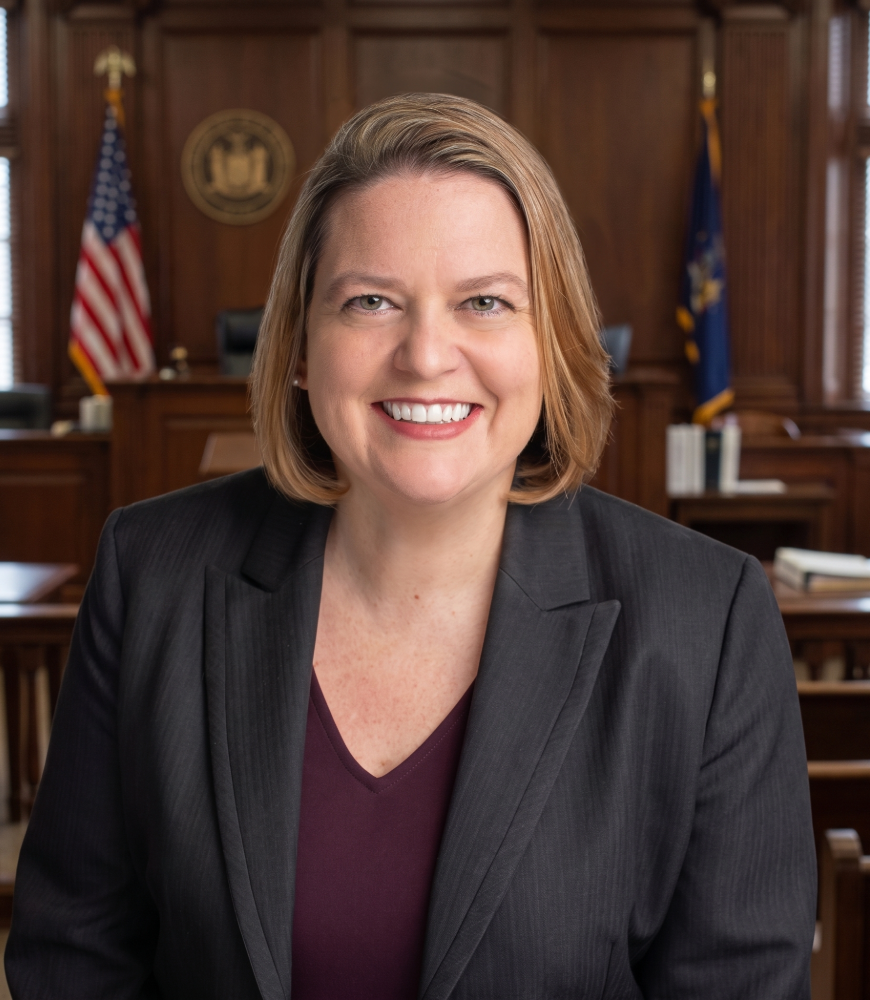
"A four-way meeting is not the place to figure out what you want. It is the place to say it clearly, after we have worked it out together first."
I tell clients that the meeting itself is the visible part, but the preparation is where the case is really won. We spend real time before each session getting clear on what you want and why, what the numbers say, and where the hard spots are likely to be. Then you walk in ready, and the meeting becomes about reaching agreement rather than discovering your own position on the fly. When both sides come prepared and the structure holds, you would be surprised how much can get settled in a calm room. That is the whole promise of collaborative, and the meetings are where it gets kept.
These are the questions clients ask most about how the sessions work. If yours is not here, we are happy to answer it directly.
A four-way meeting is a structured working session with both spouses and both attorneys in the room, joined by the relevant team members. Issues are worked through directly and face to face, following an agenda set in advance.
Your attorney prepares you before each session. You will go over the agenda, your priorities and concerns, the documents that matter, and how to stay productive in the room. Preparation is what keeps the meetings focused and calm.
It varies with the complexity of the case. Rather than one marathon session, a collaborative divorce moves through a series of shorter, focused meetings, each with its own agenda, so progress is steady and nothing important gets rushed.
The mental health professional on the team helps manage communication and regulate hard moments, and the meetings are structured to stay productive. The goal is to keep the conversation focused on solutions and, where there are children, on what works for them.
Tell us where things stand, and we will show you how the collaborative meetings work and how we would prepare you for each one. Three offices across Northern Virginia, one phone number.