Monday - Friday8:30AM - 5PM
OfficesFairfax | Manassas


401(k)s, IRAs, pensions, and TSPs. We set the share, the method of dividing each one, and the court order that actually moves the money. On paper is not the same as done.
The first call is a conversation, not a commitment.
Dividing retirement in a separation agreement is splitting the marital share of each account: the part earned during the marriage. You set the share and the method. But the agreement alone does not move the money. A separate court order, usually a QDRO, is what tells the plan to actually divide the account.
Retirement is often the largest asset in a marriage, and it is the one people most often get half-right. They agree on a split in the separation agreement, sign, and assume it is done. It is not. A retirement plan will not divide an account based on your agreement. It needs its own court order, written to that plan's rules, before a dollar moves.
So dividing retirement is really two jobs: deciding the split, and then drafting the order that carries it out. We handle both, and we match the right kind of order to each kind of account.
Only the part of an account earned during the marriage is marital. What you built before the wedding is generally separate. For an account that spans both, the marital and separate portions have to be sorted out, sometimes by tracing, before anything is divided.
Decide what percentage or amount each spouse receives, and how. Sometimes one spouse keeps the whole account and offsets it with another asset of equal value, which can avoid the cost of an order entirely. Other times the account is split directly.
The document depends on the account. Employer plans like a 401(k) or a private pension are divided by a QDRO, a Qualified Domestic Relations Order. IRAs use a transfer incident to divorce, not a QDRO. The federal Thrift Savings Plan uses its own retirement benefits court order. The wrong document gets rejected.
The order has to be drafted, signed by the judge, and accepted by the plan administrator. Until that happens, the division exists only on paper. We make sure the order is part of the plan from the start, with who drafts it and who pays for it spelled out.
Signing the agreement does not divide your retirement. The plan administrator follows the court order, not your agreement. If the QDRO or transfer order is never drafted and approved, the split never actually happens, sometimes not discovered until years later at retirement.
The kind of account decides the kind of document. Matching them correctly is what keeps the division from getting bounced by a plan administrator.
Divided by a QDRO written to that plan's rules. The most common order, and the one most often delayed.
A private pension is divided by a QDRO too, often as a share of the benefit payable at retirement.
Split by a transfer incident to divorce, not a QDRO. Done right, it moves without triggering tax or penalty.
The Thrift Savings Plan uses its own retirement benefits court order with its own required language.
Military pensions follow a separate federal track. See military divorce for how those are divided.
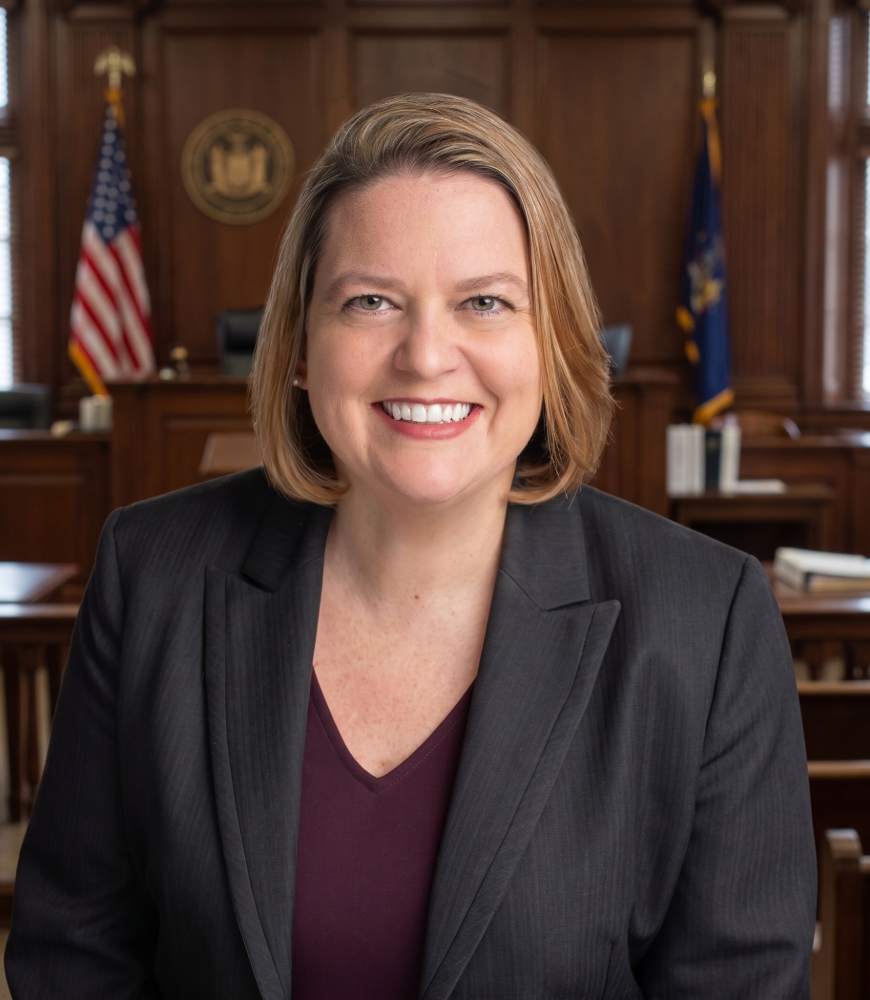
"The agreement is the promise. The QDRO is the delivery. I have seen people find out at retirement that the split they signed for twenty years ago never actually happened."
This is the quiet trap in a separation. People focus hard on the percentage, sign the agreement, and walk away thinking the retirement is divided. Then no one drafts the order. The plan keeps the account whole because that is all it can do without the order, and years later, when someone retires, the money is not where it was supposed to be. By then it can be a real fight to fix.
So I treat the order as part of the deal, not an afterthought. We say in the agreement who prepares the QDRO, who pays for it, and a deadline to get it approved. We match the right document to each account, because a plan will reject the wrong one. Done this way, the split you signed is the split that actually happens.
These are the questions we hear most about dividing retirement in a separation agreement. If yours is not here, we are happy to answer it directly.
Retirement accounts are marital property to the extent they were earned during the marriage, and Virginia divides that marital share under equitable distribution, Va. Code § 20-107.3. The portion earned before the marriage is generally separate. In a separation agreement, you and your spouse can set the share and the method of dividing each account.
A QDRO, or Qualified Domestic Relations Order, is a separate court order that tells a retirement plan how to divide an account. You need one for most employer plans, like a 401(k) or a private pension. IRAs are split by a transfer incident to divorce instead, and the federal Thrift Savings Plan uses its own retirement benefits court order. The right document depends on the account.
Not by itself. The agreement sets who gets what share and by what method, but the plan administrator will not move the money on your say-so. A separate order, usually a QDRO, is what the plan actually follows. If that order is never drafted and approved, the division on paper never becomes real, so we make sure the order is part of the plan.
Usually only in part. The portion of an account you built before the marriage is generally separate property, while contributions and growth during the marriage are often marital. Sorting the marital share from the separate share, sometimes called tracing, is the step that decides how much is actually on the table.
Tell us what retirement accounts are in play and we will set the share, the method, and the order that makes the split real. Three offices across Northern Virginia, one phone number.