Monday - Friday8:30AM - 5PM
OfficesFairfax | Manassas


In a separation agreement, you and your spouse set the spousal support yourselves: how much, for how long, whether it can change, and what ends it. Spell it out in plain terms now and you avoid a fight later.
The first call is a conversation, not a commitment.
Spousal support in a separation agreement is the amount one spouse agrees to pay the other, set by the two of you instead of by a judge. You decide the amount, how long it lasts, whether it can be changed later, and what events end it, such as remarriage or death. Once you both sign, those terms become a binding contract under Virginia law.
When a judge sets spousal support, the law gives that judge a list of factors to weigh and a wide range of possible outcomes. When you settle support in a separation agreement, you take that decision back. You and your spouse work out terms that fit your real numbers, write them down, and sign. The court can then fold the agreement into your final divorce.
Four questions decide almost everything about a support term. Get all four right and the term holds up. Leave one vague and it becomes the thing you argue about two years from now.
This is the dollar figure, usually paid monthly. There is no fixed formula for spousal support in Virginia the way there is for child support, so the number comes from need on one side and ability to pay on the other. We help you build the number from real figures: income, reasonable expenses, the standard of living during the marriage, and the length of the marriage.
Support can run for a set number of years, until a specific event, or for an open-ended period. A common choice is term support tied to the length of the marriage. The right answer depends on why support is being paid, whether it is helping a spouse get back on their feet or replacing income over a long marriage.
You decide whether the amount can be modified if life changes. You can make support modifiable, so either side can ask a court to adjust it after a material change in circumstances, or non-modifiable, so the number is locked no matter what happens. Each choice carries a real trade-off, and it is one of the most important calls in the whole agreement.
Spell out the events that stop support. Under Virginia law, periodic support generally ends when either spouse dies or when the spouse receiving it remarries, and it can end if that spouse lives with someone in a relationship like marriage for a year or more. You can also write in your own end date or end events. Putting these in plain words now prevents a costly dispute later.
Virginia spousal support is governed by Va. Code § 20-107.1, and the rules on modification and termination sit in § 20-109. An agreement can set terms a court would not order on its own, including making support non-modifiable.
Every spousal support term comes down to these four pieces. We make sure each one is written clearly, with no room left for a later argument.
The monthly figure, built from income, reasonable expenses, the marital standard of living, and the length of the marriage.
How long support runs. A fixed term, an open-ended period, or support tied to a milestone like a child finishing school.
Whether either side can ask a court to change the amount later, or whether the number is fixed for good. A real trade-off either way.
The events that end support: death, remarriage, cohabitation, a set date, or any other event you both agree to.
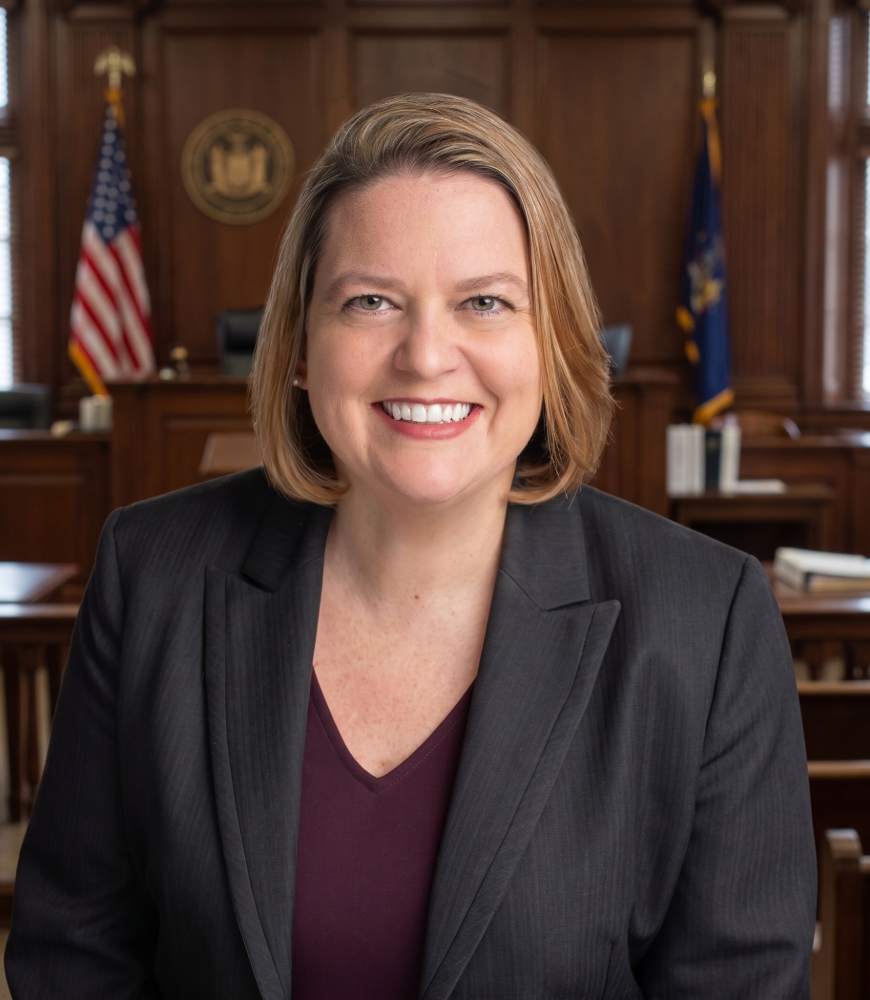
"The amount gets all the attention. The part people regret is the modification clause, because that is the one that decides whether you are stuck with this number for good."
Couples come in focused on the dollar figure, and that matters. But the choice that echoes the longest is whether support can be changed later. Lock the number in, and a job loss three years out will not move it. Leave it open, and the other side can come back to court when their income drops. Neither answer is right for everyone. It depends on why support is being paid and how steady each person's income really is.
My job is to make sure you understand that trade-off before you sign, not after. We write the term so it says exactly what you mean, and we make sure the end points, remarriage, death, and cohabitation, are all spelled out. A clear clause now is worth far more than a cheaper agreement that sends you back to court.
These are the questions we hear most about spousal support in a separation agreement. If yours is not here, we are happy to answer it directly.
You and your spouse decide it, instead of a judge. There is no fixed formula for spousal support in Virginia, so the amount comes from one spouse's need and the other's ability to pay, weighed against the standard of living during the marriage and the length of the marriage. We help you build the figure from real income and expenses so the number can stand up to scrutiny and feels fair to both sides.
Yes. One advantage of settling support by agreement is that you can make it non-modifiable, which means the amount is locked and neither side can ask a court to change it later. A court setting support on its own generally cannot do that. Locking the number gives certainty, but it cuts both ways: the payer cannot ask for a reduction after a job loss, and the recipient cannot ask for more if costs rise. We make sure you understand that trade-off before you choose.
Usually, yes. Under Virginia law, periodic spousal support generally ends when the spouse receiving it remarries, and it ends when either spouse dies. Support can also end if the recipient lives with someone in a relationship like marriage for a year or more. Your agreement should state these end points plainly so there is no confusion later about when payments stop.
As long as your agreement says. Support can run for a set number of years, until a specific event, or for an open-ended period. Shorter, defined terms are common when support is meant to help a spouse get back on their feet. Longer or open-ended support is more common after a long marriage. The right length depends on your situation, and we help you match the duration to the reason support is being paid.
Tell us about your situation and we will help you build a spousal support term that fits your real numbers and holds up over time. Three offices across Northern Virginia, one phone number.