01
Your Testimony
Helping you tell what happened clearly and calmly, in a way the court can follow.


A full protective order is what a court enters after a hearing where both sides are heard. It can last up to two years and set real, lasting terms. This is the order worth building a careful case for, and we help you build it: testimony, photos, written communications, witnesses, and a clear narrative.
If you are in immediate danger, call 911. The first call to us is a conversation, not a commitment.
A full protective order is the lasting order a court enters after a hearing where both sides are heard. It can last up to two years and can set terms like no contact, staying away, exclusive use of a shared home, and temporary custody and support. People often call it a permanent order, though in Virginia it has a defined maximum length rather than lasting forever.
The full protective order is the destination the earlier orders were building toward. Unlike an emergency or preliminary order, it follows a hearing where both sides appear and the judge weighs the evidence. Because it can last up to two years and set meaningful terms, it is worth walking in prepared, with your account organized and your proof in order.
This is the key difference. At the full hearing, the other person can appear, tell their side, and question your account. The judge then decides based on the evidence presented. That makes preparation everything. A full order is not granted on your petition alone the way a preliminary order can be. You build and present a case, and we help you do exactly that.
A strong case is more than a story; it is a story backed up. Your own testimony matters, and so does the proof around it: photographs, text messages, emails, and other written communications, plus witnesses who saw or heard what happened. The most persuasive cases tie those pieces into a clear, organized narrative, so the judge can follow exactly what occurred and why an order is needed. We help you gather it, organize it, and present it.
A full protective order can last up to two years. People call it a permanent order, and that is a fair way to think about its weight, but in Virginia two years is the maximum length set by law, not a forever order. If the danger continues as the order nears its end, you are not stuck. You can petition to extend it before it expires, which we cover under renewals.
The terms are tailored to your situation. A full order can prohibit contact, require the other person to stay away from your home, your workplace, and your school, grant you exclusive use of a shared residence, and address temporary custody and support of children. The court shapes the terms to what it finds necessary for your safety, and we help you ask for the protections that actually fit your life.
The full hearing is where both sides are heard, so it is won or lost on preparation. A clear narrative backed by photos, messages, and witnesses is what lets the judge see what you have lived through.
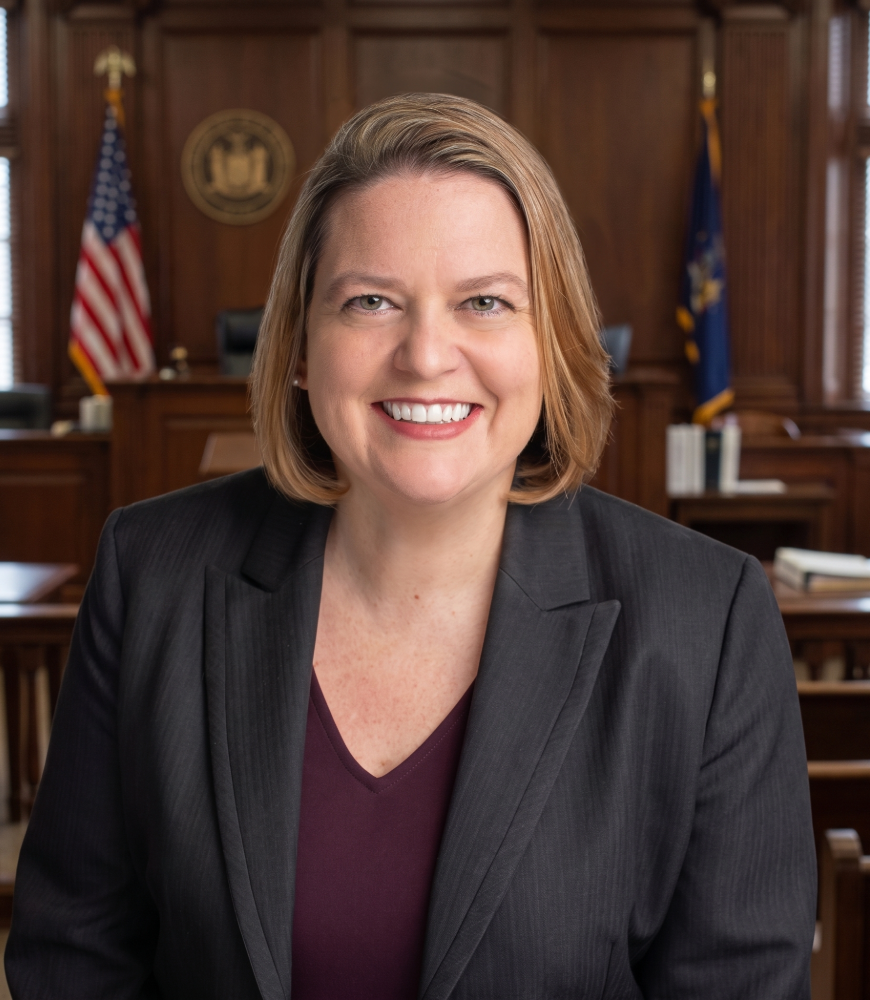
"A judge can only act on what you show them. The truth is not enough by itself; it has to be presented clearly, with proof."
This is the hearing that matters most, and I am honest with people about that. The earlier orders are quick and one-sided in your favor. The full order is different, because the other person gets to respond, and the judge decides on the evidence. What I tell every client is that being right is not the same as proving it. So we do the work: organize the timeline, gather the texts and photos, line up the witnesses, and prepare you for the questions you will face. When you walk in with a clear narrative and the proof to support it, you give the judge what they need to protect you. That preparation is the whole job, and it is what we are here for.
These are the questions people ask most about the full hearing and the order that follows. If yours is not here, we are happy to answer it directly.
A full protective order is the lasting order a court enters after a hearing where both sides are heard. It can last up to two years and can set terms like no contact, staying away from your home and workplace, exclusive use of a shared residence, and temporary custody and support. People often call it a permanent order, though in Virginia it has a defined maximum length rather than lasting forever.
A full protective order can last up to two years. It is sometimes called a permanent order, but in Virginia that is the maximum length set by statute, not a forever order. If the danger continues as the order nears its end, you can petition to extend it before it expires.
At the full hearing both sides are heard, so you build your case with evidence: your own testimony, photos, text messages and other written communications, and witnesses who saw or heard what happened. A clear, organized narrative tying those pieces together is what helps the court understand why the order is needed.
Depending on the situation, a full order can prohibit contact, require the other person to stay away from your home, workplace, and school, grant you exclusive use of a shared home, and address temporary custody and support of children. The court tailors the terms to what it finds necessary for your safety.
The full hearing is worth preparing for carefully. Tell us what happened, and we will help you organize the evidence and present it clearly. Three offices across Northern Virginia, one phone number. If you are in immediate danger, call 911.