Monday - Friday8:30AM - 5PM
OfficesFairfax | Manassas | Fredericksburg


Money paid straight to a child who relies on SSI or Medicaid can quietly cost them their coverage. A special needs trust holds those funds instead. We handle the family law side and coordinate with the estate counsel who build it.
First call is a conversation, not a commitment.
A special needs trust holds money for a person with disabilities without that money counting against needs-based benefits like SSI and Medicaid. In a divorce, child support, property awards, life insurance, and inheritances can all be routed through it.
A special needs trust solves a specific danger that comes up again and again in a divorce involving a disabled child.
Money paid directly to a person on SSI or Medicaid can push them over the asset limit and cost them coverage they cannot easily replace.
A properly drafted special needs trust receives the money instead, so it can be used for the person's benefit without counting against them.
Child support, equitable distribution payments, life insurance proceeds, and inheritances can all be directed into the trust.
We handle the family law side and coordinate with the trusts and estates counsel who draft and administer the trust itself.
Special needs trusts are drafted and administered by trusts and estates counsel, and they interact with federal benefit rules. This page is general information about how a trust fits into a divorce, not specific legal, tax, or financial advice. We coordinate closely with the estate and benefits attorneys who create the trust for your family.
Benefit rules and trust requirements change. Confirm the current rules with qualified estate and benefits counsel before acting.
Eligibility for needs-based benefits like SSI and Medicaid, by keeping assets out of the dependent's own name.
Child support, property awards, life insurance proceeds, and inheritances, all directed to the trust instead of the child.
Trusts and estates counsel draft and administer it. We coordinate the family law pieces so they line up.
The trust should exist before money moves, so nothing lands directly on the benefits-eligible child first.
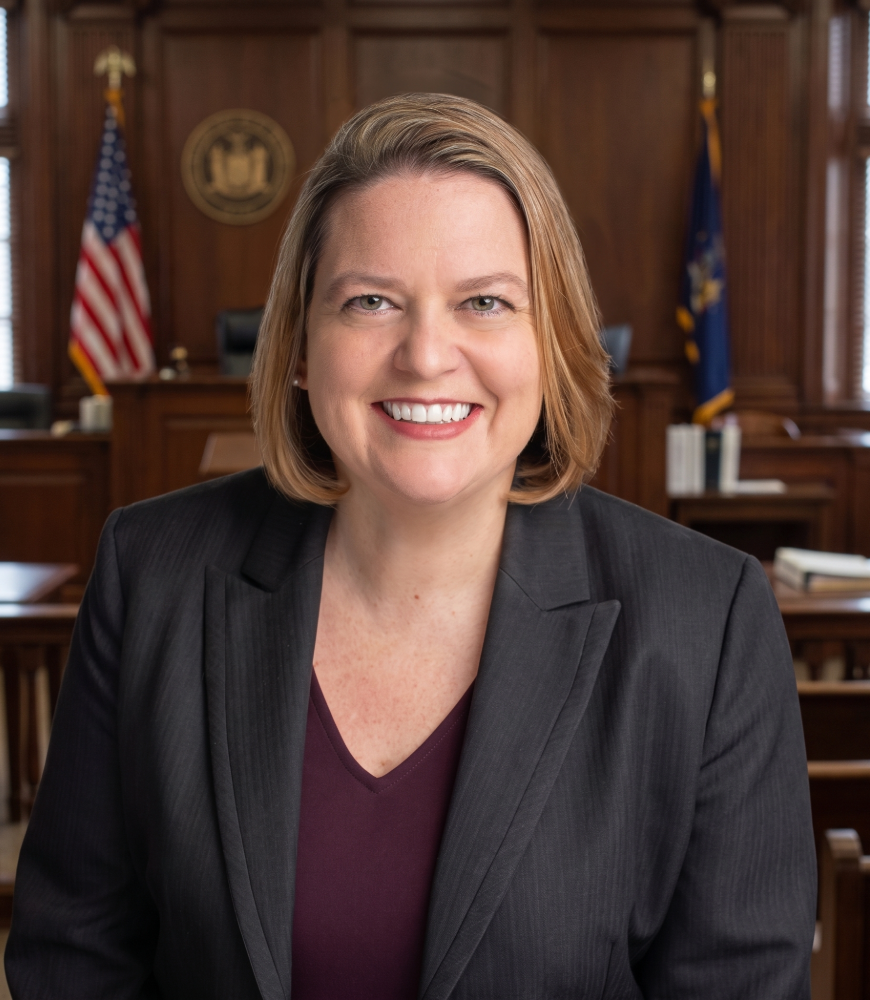
"The trust is the container. Our job is to make sure the divorce pours into it, not around it."
We do not draft the trust. That is the work of trusts and estates counsel. What we do is make sure the divorce order, the support, the property award, the life insurance terms, all point money into the trust rather than directly to your child.
When the family law and estate pieces are coordinated from the start, the trust does what it is supposed to do. When they are handled separately, eligibility can be lost before anyone notices. So we work alongside your estate attorney from day one.
Talk With CorrieA few of the questions we hear most on a first call. If yours is different, we are happy to answer it directly.
A special needs trust is a legal arrangement that holds assets for the benefit of a person with disabilities without those assets counting against them for needs-based government benefits like Supplemental Security Income or Medicaid. Money intended for the person flows into the trust rather than directly to them, which preserves their eligibility for the programs they rely on.
In a divorce involving a child with disabilities, several sources of money can be directed into the trust instead of paid directly to the child: child support, equitable distribution payments, life insurance proceeds, and inheritances from parents or relatives. Structuring these correctly keeps the funds available for the child's benefit without disqualifying them from benefits.
Special needs trusts are drafted and administered by trusts and estates counsel. We handle the family law side, the divorce, custody, and support, and coordinate closely with the estate and benefits attorneys who create the trust, so that what the court orders and what the trust receives line up. This page is general information, not specific legal or financial advice for your situation.
The trust needs to be in place before money changes hands. If child support, a property award, life insurance, or an inheritance lands directly with a benefits-eligible child first, it can disrupt eligibility before the trust can protect it. Setting up the trust early, ideally well before the child turns 18, keeps everything flowing to the right place from the start.
If a special needs trust is part of your child's future, we will coordinate the divorce terms with your estate counsel so support and property reach your child without costing them benefits.