Waiving the Elective Share
Each spouse gives up the statutory claim against the other's estate, so your will controls who inherits.
The Core Protection

Remarrying when you have children from an earlier relationship raises a question most people never see coming: under Virginia law, your new spouse gains inheritance rights that can override your will. A prenup is how you keep the promises you already made.
First call is a conversation, not a commitment. · By Corrie Sirkin, Esq.
Yes. A Virginia prenup can protect your estate plan so children from a prior marriage inherit the way you intend. Virginia Code § 20-150 lets the agreement cover what happens to property at death, require wills and trusts that carry out the plan, and address life insurance. Most important for blended families: the agreement can waive the surviving spouse's statutory inheritance rights, which otherwise let a spouse claim a share of your estate no matter what your will says.
Here is the honest picture: most remarrying parents believe their will settles who inherits. In Virginia, marriage itself quietly rewrites part of that plan. A prenup is the document that puts your will back in charge.
Virginia gives a surviving spouse statutory rights in the deceased spouse's estate. The biggest is the elective share: under Va. Code § 64.2-308.1 and the sections that follow, a surviving spouse can choose to take a portion of the augmented estate even when the will leaves them less, or leaves them nothing. There are also smaller statutory allowances on top of that. The result for a blended family is blunt. You can write a will leaving everything to your children, and your new spouse can still claim a significant share of it. The will you wrote for your kids is, by default, only a suggestion.
And that is the friendly version. If you die without an updated will, Virginia's intestacy rules decide who inherits, and a surviving spouse fares well under them. Either way, without an agreement, the law treats your new marriage as senior to your old promises.
Virginia Code § 20-150 lets a premarital agreement control the disposition of property at separation, divorce, or death, require the making of wills or trusts to carry out the agreement, and address ownership of life insurance benefits. In practice, a blended family prenup usually does three things. First, each spouse waives the statutory rights, the elective share and the allowances, in the other's estate. Second, the agreement identifies what each person intends to pass to their own children, so the property terms and the estate plan match. Third, it can require the wills, trusts, or insurance designations that make the plan real, so the promise is not just felt but funded.
None of this means leaving your new spouse unprotected. Most couples pair the waiver with deliberate provisions: a life insurance policy for the spouse, the right to stay in the home, a specific bequest. The difference is that you both chose those numbers, instead of a statute choosing them for you.
Two things a prenup cannot do, and we say them plainly. It cannot decide custody or visitation for any child, and it cannot set or waive child support, because Va. Code § 20-150 states that the right of a child to support may not be adversely affected. Those questions always stay with the court, judged by the child's interests at the time. What the agreement protects is the estate side: making sure what you built reaches the children you built it for. The usual rules apply: in writing and signed under Va. Code § 20-149, voluntary, with fair disclosure under Va. Code § 20-151.
Virginia Code § 20-150 lets a premarital agreement govern the disposition of property at death, require the making of a will or trust to carry out the agreement, and address life insurance death benefits. Paired with a waiver of the surviving spouse's elective share under Va. Code § 64.2-308.1 et seq., it keeps your estate plan in charge of who inherits.
These are the pieces we build into agreements for remarrying parents, fitted to each family's plan.
Each spouse gives up the statutory claim against the other's estate, so your will controls who inherits.
The Core ProtectionThe agreement can require wills and trusts that carry out the plan, so the promise to your children is enforceable.
Plan Made BindingProperty earmarked for your kids can be routed through trusts the agreement protects from later claims.
Earmarked and HeldMany couples pair the waiver with a policy or bequest for the new spouse, chosen by you instead of set by statute.
Both Sides Provided ForThe agreement can give a surviving spouse the right to stay in the home while the home itself passes to your children.
Live In, Pass DownCoordinating beneficiary designations with the agreement, including any spousal waivers retirement plans require after marriage.
Designations AlignedThe agreement is half the job. Keeping the documents around it consistent is the other half.
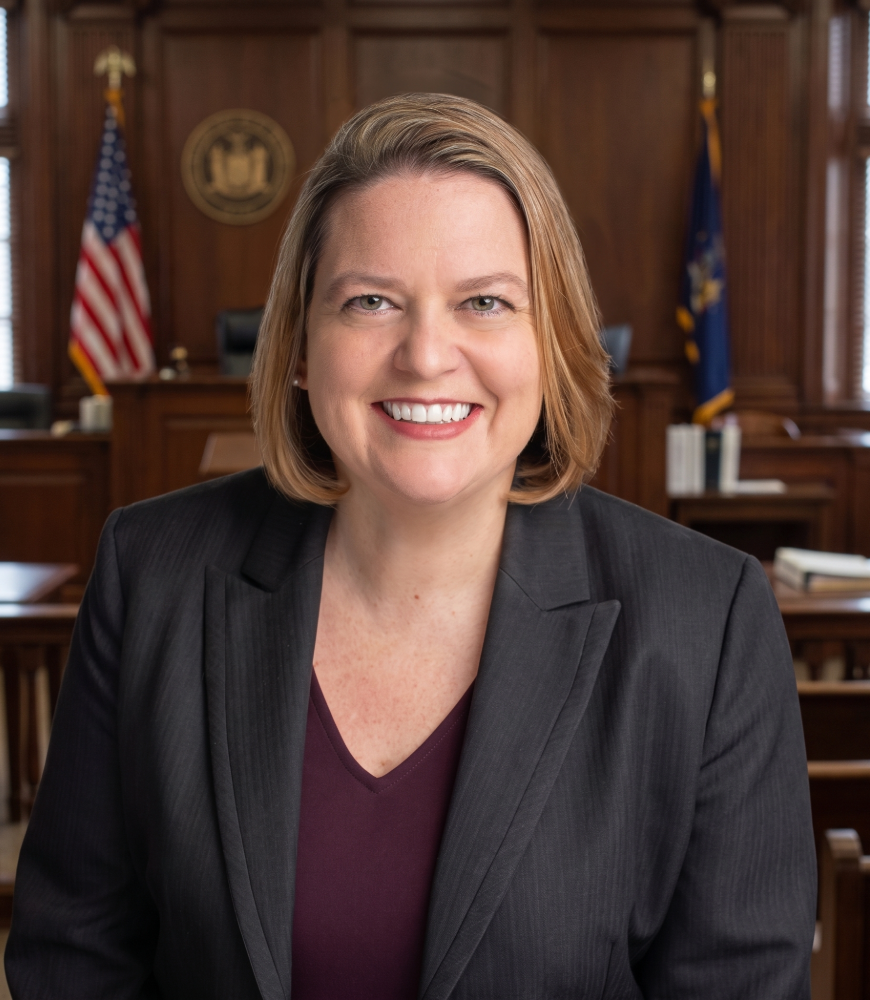
"A will tells everyone what you wanted. A prenup is what makes them honor it. For a blended family, you need both, and they need to match."
Couples sometimes flinch at waiving inheritance rights, as if it signals distrust. In a blended family it is the opposite. You are each saying: what I built for my children stays theirs, and what we build together is ours to direct. Then provide for each other on purpose, with insurance, a bequest, or the home, in amounts the two of you chose. The families that skip this conversation are the ones whose children and stepparent meet in a courtroom a decade later. The families that have it never do.
These are the questions remarrying parents ask us most. If you have a different one, we are happy to answer it directly.
Yes, and for blended families it is often the main reason to have one. Under Va. Code § 20-150, the agreement can govern what happens to property at death and require wills and trusts that carry out your plan. Most importantly, each spouse can waive the elective share and other statutory rights in the other's estate, so your will actually controls who inherits.
Not by itself. Under Va. Code § 64.2-308.1 and the sections that follow, a surviving spouse in Virginia can claim an elective share of the augmented estate even when the will says otherwise. A will states your wishes. A prenup with a waiver of spousal rights is what makes those wishes binding. The two documents work together, and they need to match.
No. Custody and visitation are always decided by a court based on the child's best interests at the time, and Va. Code § 20-150 states that a child's right to support may not be adversely affected by a premarital agreement. The agreement protects the estate side of your promise to your children, never the parenting side. Anyone who promises otherwise is wrong.
No, and we counsel against drafting it that way. Most blended family agreements pair the waiver with deliberate provisions for the new spouse: a life insurance policy, a specific bequest, or the right to remain in the home. The point is that the two of you choose the provision together, instead of a statute imposing one on your children's inheritance.
Tell us about your children, your estate plan, and the marriage ahead. We will make the documents agree with each other, with time to spare before the wedding. Three offices across Northern Virginia, one phone number.