01
Compare Every Option
Separate maintenance, a separation agreement, or a divorce. See the whole menu before choosing.


Some couples need support while living apart but are not ready, willing, or able to divorce. Separate maintenance is Virginia's answer. Here is who qualifies, the four elements that apply, and how it differs from support inside a divorce.
First call is a conversation, not a commitment. · By Corrie Sirkin, Esq.
Here is the answer: separate maintenance is court-ordered support for a married spouse who lives apart from the other but is not seeking a divorce. In Virginia it generally rests on four things: the paying spouse is at fault, the requesting spouse is without fault, the spouses live separately, and they stay married. It is a way to get support without ending the marriage.
Separate maintenance is support paid by one spouse to the other while they live apart and remain married. No divorce is filed and none is asked for. For some families that is the point. Religious beliefs, immigration or insurance concerns, a hope for reconciliation, or simply not being ready can all lead a couple to live separately without dissolving the marriage. Separate maintenance lets the lower-earning spouse receive support in that situation.
Virginia separate maintenance generally turns on four things. First, the paying spouse is at fault in the separation. Second, the spouse asking for support is without fault. Third, the spouses are actually living apart. Fourth, they are still legally married. Fault sits at the center on both sides, which makes separate maintenance different from support inside a no-fault divorce, where fault is one factor among many rather than the gate.
It helps to keep three things separate. Pendente lite support happens inside a divorce case while it is pending. Final spousal support is decided when a divorce is granted. Separate maintenance stands on its own, with no divorce at all. If you are weighing whether a divorce, a separation agreement, or separate maintenance fits your situation, it is worth seeing the full menu of legal options for resolving divorce disputes before you choose a path.
People choose separate maintenance when they need the financial structure of support but not the finality of divorce. It is support without an ending. It can also be a bridge, holding things steady while a couple decides whether to reconcile or move toward divorce later.
Virginia Code § 20-107.1 authorizes a court to order support and maintenance for a married person, including in a suit for separate maintenance, where the traditional elements built by Virginia case law are met.
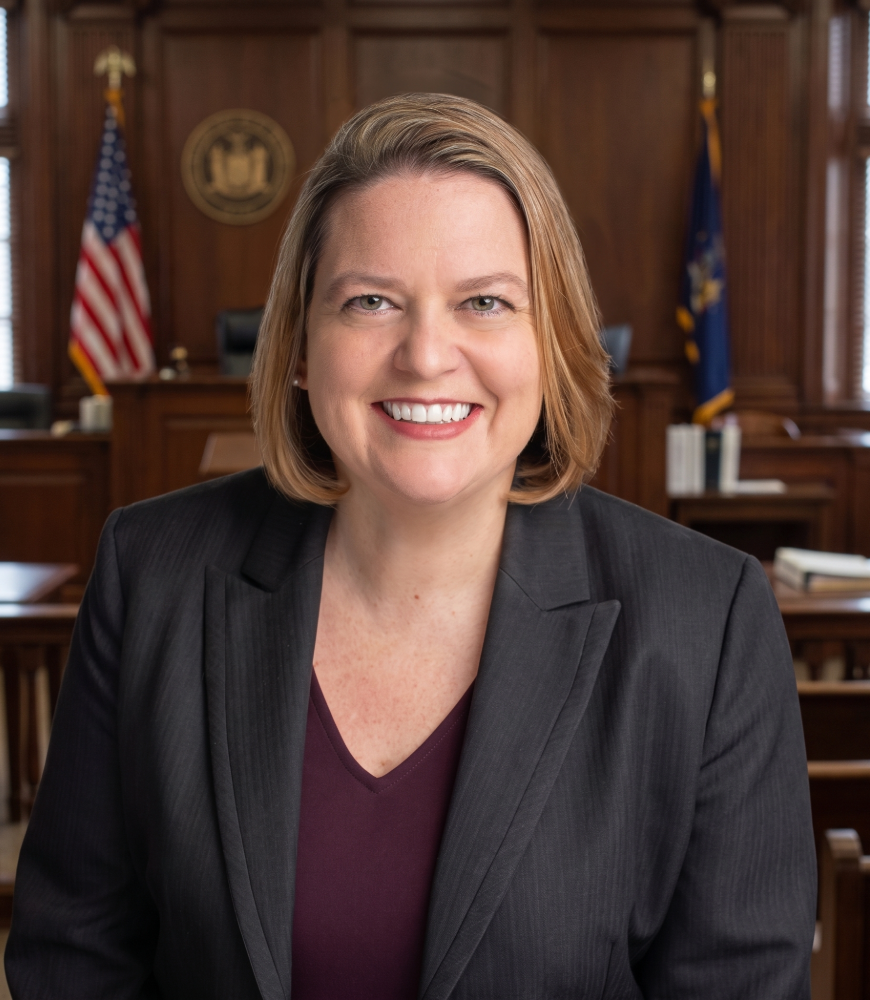
"Not everyone is ready to divorce, and there is no shame in that. Faith, family, hope, or timing, your reasons are yours. You can protect yourself without ending your marriage, and I will show you how."
Fault is the gate, on both sides, so be honest about the four elements before you file. Separate maintenance is a real option, but it is narrower than people expect. Because it generally requires fault by the other spouse and no fault by you, the facts have to line up. Before you commit to it, look at the whole range of choices, a separation agreement, a fault or no-fault divorce, or separate maintenance, and pick the one that fits your beliefs, your finances, and where you actually want to end up. We will walk through all of them with you.
These are the questions we hear most about this part of spousal support. If yours is not here, we are glad to answer it on a first call.
It is court-ordered support paid between spouses who live apart but stay married and are not seeking a divorce. It lets the lower-earning spouse receive support without ending the marriage.
Generally: the paying spouse is at fault in the separation, the requesting spouse is without fault, the spouses are living apart, and they remain married. Fault on both sides is central to the claim.
Pendente lite support is temporary support inside a divorce case while it is pending. Separate maintenance is its own action with no divorce filed. One assumes a divorce is underway, the other assumes there is none.
Couples choose it for religious reasons, insurance or immigration concerns, a hope for reconciliation, or simply not being ready to divorce. It provides support while keeping the marriage intact.
Tell us about your situation and what you need to keep your household steady. We will walk through separate maintenance and every other option with you. Three offices across Northern Virginia, one phone number.