01
Build The Self-Support Plan
A degree, a license, a client base. Courts pick terms based on concrete plans, so bring one.
Not every spousal support award lasts forever. Defined-duration support runs for a set number of months or years, then ends. Here is when Virginia courts choose it, how the length is decided, and what happens when the term runs out.
First call is a conversation, not a commitment. · By Corrie Sirkin, Esq.
Here is the answer: defined-duration spousal support is support ordered for a fixed length of time, a set number of months or years, after which it ends on its own. Virginia courts use it when the supported spouse needs a bridge of income to retrain or return to work, not lifelong support. It is one of the duration options under Va. Code section 20-107.1, alongside a definite period and indefinite support.
Defined-duration support, sometimes called rehabilitative support, is spousal support that runs for a fixed term. The order names a length, for example three years or sixty months, and when that time is up the support ends without anyone going back to court. The goal is to carry the lower-earning spouse through a transition, not to provide income for life.
Judges tend to order defined-duration support when there is a believable path back to self-support. A spouse who left the workforce for a few years, who needs to finish a degree, renew a license, or rebuild a client base, is a common fit. The marriage is often mid-length, long enough that support is fair, short enough that lifelong support does not fit. The court looks at the same thirteen factors in Va. Code section 20-107.1 that drive every award, then ties the length to how long the transition should reasonably take.
The term is rarely a guess. It usually tracks a concrete plan: the months left in a degree, the time to gain a certification, or the runway to rebuild earnings. This is why the plan matters more than almost anything else. A clear, realistic plan for becoming self-supporting is what persuades a court to pick a number, and it is what each side argues over hardest.
When the defined period runs out, the support stops. In some cases the supported spouse can ask the court to extend or change the award before it ends, if circumstances have shifted in a real way and the order or agreement allows it. Unless an agreement makes the award non-modifiable, court-ordered support can still be modified on a material change under Va. Code section 20-109. The safest assumption is that the end date is real, so plan around it.
Virginia Code § 20-107.1 lets the court award spousal support for a defined duration, a definite period, or an indefinite period. Defined duration is the bridge: long enough to rebuild, short enough to end.
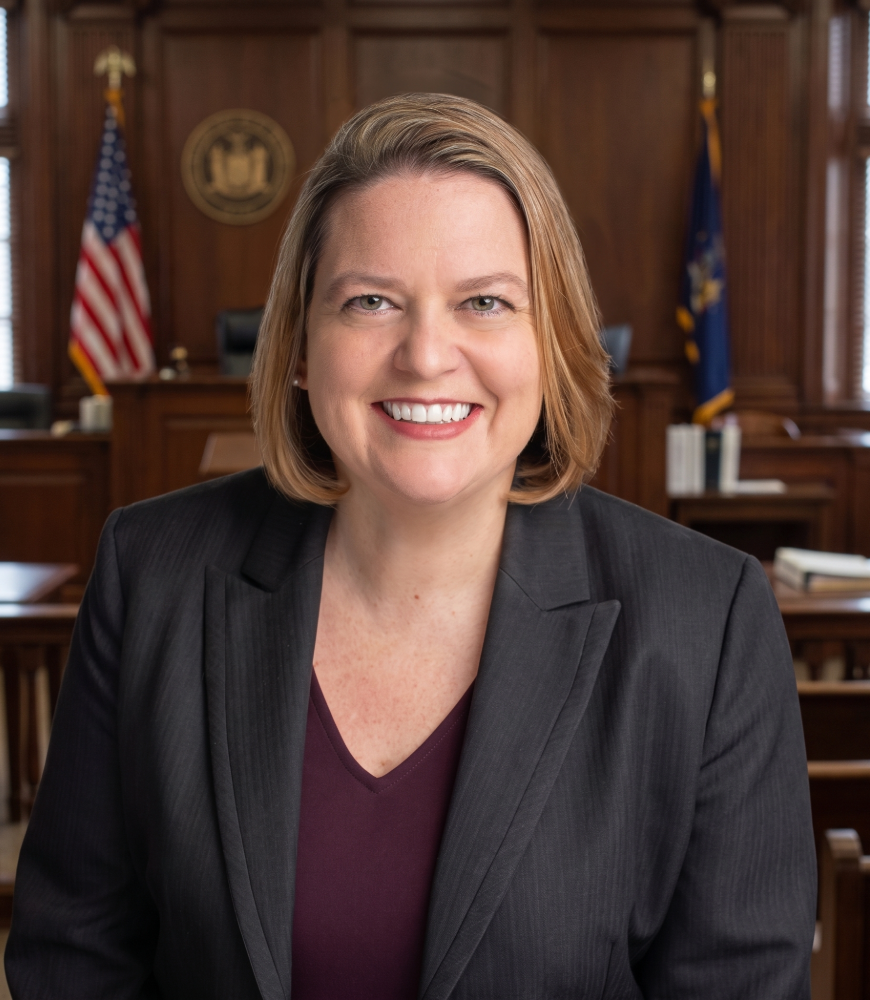
"A fixed term is not a countdown to worry over. It is time, set aside for you, to rebuild. We will make the plan together and ask for every month you truly need. You are going to land on your feet."
The term length is the negotiation, so put your energy into the number of months, not just the monthly amount. Clients fixate on the size of the check. With defined-duration support, the length is often the bigger number over time. If you will receive it, build a credible plan for self-support and ask for enough runway to actually finish it. If you will pay it, tie the term to a realistic transition and resist an open-ended bridge. Either way, walk in with a concrete plan, because the court is choosing a finish line and it wants to see where it is.
These are the questions we hear most about this part of spousal support. If yours is not here, we are glad to answer it on a first call.
It is spousal support ordered for a fixed length of time, a set number of months or years, after which it ends automatically. It is meant to bridge a spouse through a transition back to self-support rather than provide lifelong income.
When there is a believable path to self-support, such as a spouse who needs time to retrain, finish a degree, or rebuild earnings. It is common in mid-length marriages where lifelong support would not fit.
Often yes. Unless an agreement makes the award non-modifiable, court-ordered support can be modified on a material change under Va. Code section 20-109, and in some cases the duration can be extended if requested before it ends. The exact rules depend on your order or agreement.
The support stops on its own when the defined period runs out. Unless it has been extended or modified, no further payments are owed after the end date.
Tell us about the transition ahead, the income on both sides, and the path back to self-support. We will argue for a length that matches reality. Three offices across Northern Virginia, one phone number.