01
The Amount
What is paid each month, shaped by both spouses' incomes, needs, and the rest of the settlement.


Amount, duration, and the rules for changing or ending it: spousal support has a lot of moving parts, and they are often easier to settle across a table than in front of a judge. Mediation gives you room to shape support around your real circumstances rather than a courtroom outcome.
First call is a conversation, not a commitment.
Spousal support is a strong fit for mediation. The amount, how long it lasts, and the terms for changing or ending it can all be negotiated together. Virginia addresses spousal support under Va. Code § 20-107.1, and reaching agreement through mediation is often easier than arguing those factors in front of a judge.
Spousal support, sometimes called alimony, is one of the more flexible parts of a divorce, which makes it well suited to mediation. Unlike child support, there is no rigid formula that dictates the final award. That openness can feel uncertain in court, where a judge weighs a list of factors and decides. In mediation, that same openness becomes an advantage, because you and your spouse get to shape the result.
Most spousal support discussions come down to three things. How much: the monthly amount, if any. How long: whether support runs for a set number of years, until a specific event, or on some other basis. And under what conditions it changes: the terms for modifying or ending it, such as remarriage or a major change in circumstances. Mediation works through all three together, so the answer to one informs the others.
In court, spousal support can be one of the most contested issues, precisely because there is no formula and both sides can argue the factors endlessly. Mediation sidesteps that. Instead of arguing to persuade a judge, the spouses negotiate directly, and they can do things a court cannot. They can trade support against other parts of the settlement, agree on a fixed duration that gives both sides certainty, or build in terms tailored to their actual plans. That flexibility usually makes a deal easier to reach and easier to live with.
Virginia addresses spousal support under Va. Code § 20-107.1, which sets out the factors a court considers when it decides support. Even in mediation, those factors are a useful backdrop, because they shape what a reasonable outcome looks like and what a court might do if no agreement is reached. We keep that framework in view so the agreement you build is grounded, not guesswork. The exact application always depends on the facts, so the statute is worth confirming for your situation.
The real payoff is a clear, written agreement. Vague support terms are a common source of later disputes, so spelling out the amount, the duration, and the conditions for change is one of the main reasons to settle support in mediation rather than leave it loosely defined. Once written, the terms become part of the settlement the court enters.
Unlike child support, there is no rigid formula for the final spousal support award. In court that openness fuels long fights. In mediation it becomes an advantage, because the spouses get to shape the amount, the duration, and the terms themselves.
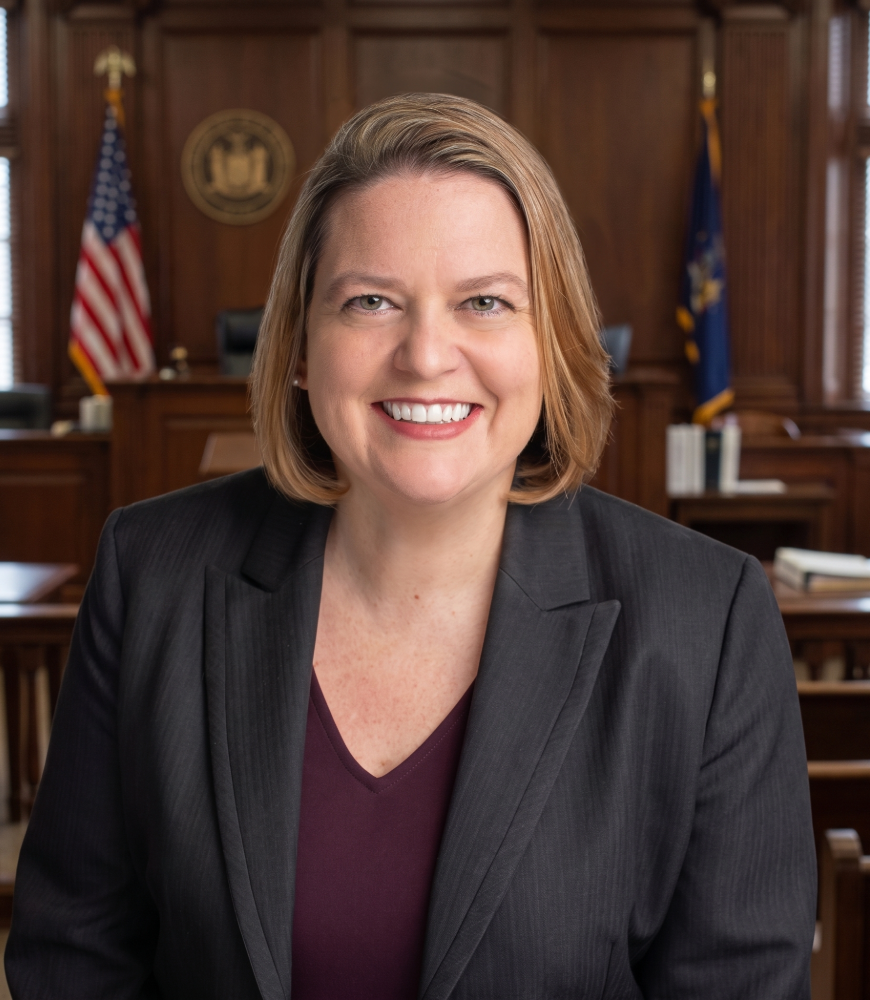
"Because there is no formula, support is where court gets unpredictable. That same flexibility is exactly why it settles so well in mediation."
I tell clients that spousal support is the issue where a judge has the most discretion, which means it is the issue where you have the most to gain by settling it yourselves. In mediation you can build certainty: a fixed duration, clear terms for when it ends, a number that fits the whole picture. You can also trade, taking a little less support in exchange for more of an asset, in a way a court would never structure for you. What I push for is precise language, because the support clauses people regret are always the vague ones. Get the amount, the term, and the off-ramps in writing, and you avoid a fight down the road.
These are the questions spouses ask most about support in mediation. If yours is not here, we are happy to answer it directly.
Yes. Spousal support is a strong fit for mediation. The amount, how long it lasts, and the terms for changing or ending it can all be negotiated together. Virginia addresses spousal support under Va. Code § 20-107.1, and reaching agreement through mediation is often easier than arguing those factors in front of a judge.
Child support follows a guideline formula and belongs to the child, so courts review it closely. Spousal support is more open to negotiation. There is no rigid formula for the final award the way there is for child support, which gives couples more room to craft terms that fit their situation in mediation.
Yes. Couples can agree on duration and on the terms for modifying or ending support, such as a set number of years or conditions like remarriage. Spelling these terms out clearly in the agreement is one of the main advantages of settling spousal support in mediation rather than leaving it open.
In court, a judge weighs statutory factors and imposes a result. In mediation, the spouses shape the amount and duration themselves, can trade against other parts of the settlement, and can build in terms that fit their real circumstances. That flexibility usually makes agreement easier to reach and easier to live with.
Tell us about your situation, and we will help you negotiate an amount, a duration, and terms that give both sides clarity. Three offices across Northern Virginia, one phone number.