Monday - Friday8:30AM - 5PM
OfficesFairfax | Manassas | Fredericksburg


Property division is not just about splitting value. For a special-needs family, it is about keeping the home, the vehicle, the equipment, and the accounts your child's daily care depends on, and keeping any award from costing your child their benefits.
First call is a conversation, not a commitment.
Virginia divides marital property equitably, meaning fairly, not always in half, under Va. Code § 20-107.3. For a special-needs family, we structure that division to protect the home, vehicle, equipment, and accounts your child's care relies on.
Equitable distribution gives the court room to be fair rather than mechanical. We use that room to protect what your child needs.
First we identify what is marital property, what is separate, and what is mixed. Only marital property is divided.
The accessible home, a modified vehicle, specialized equipment, and accounts that fund care get identified as central to the child, not just line items.
Va. Code § 20-107.3 lets the court weigh each family's circumstances. The child's care needs can shape who keeps what.
We make sure a property award does not land directly on a benefits-eligible child, routing it through a special needs trust where needed.
Virginia is an equitable distribution state under Va. Code § 20-107.3. The court divides marital property fairly after weighing a set of statutory factors, which is not the same as an automatic 50/50 split. That flexibility is what lets a division be built around a child's care needs.
Statutes change. Confirm the current text of Va. Code § 20-107.3 and how it applies to your facts before relying on it.
A home that fits your child's routine and any accessibility modifications, kept with the parent who provides daily care.
A vehicle adapted for your child's needs, allocated so transportation to care and school is never in question.
Adaptive equipment, communication devices, and medical gear treated as part of the child's support, not just property.
Accounts that fund therapy, care, and future needs, preserved and, where needed, directed through a trust.
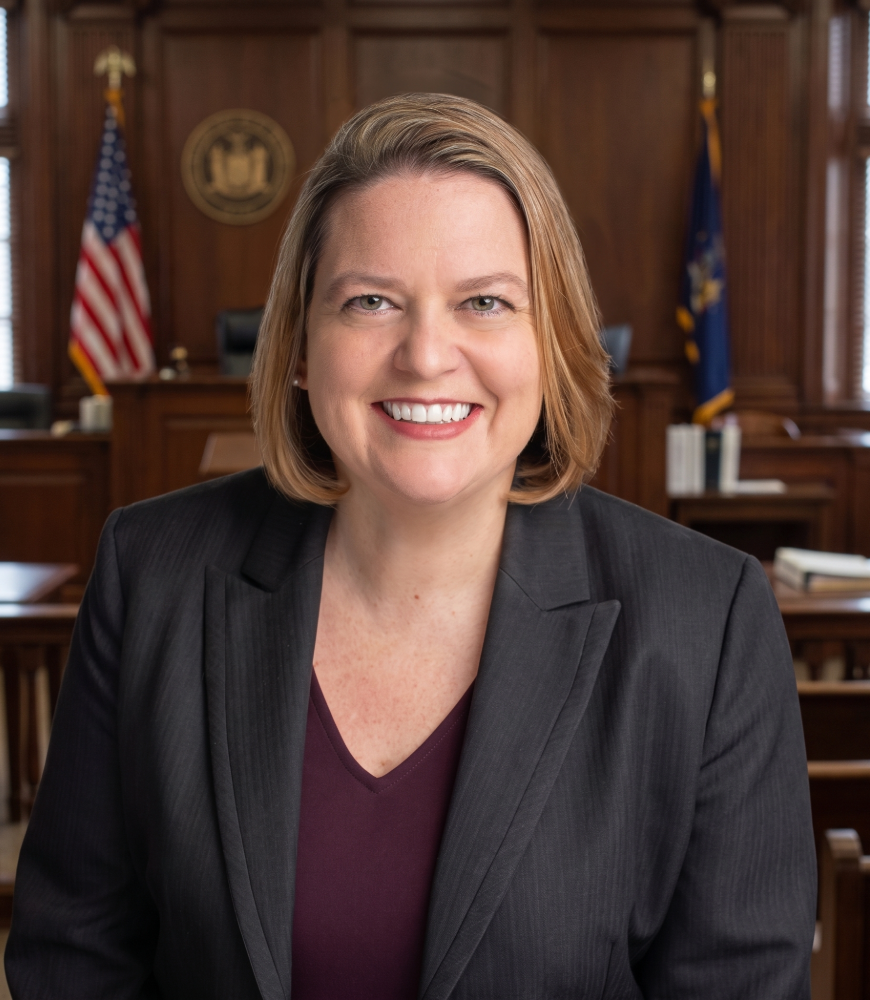
"A fair split on paper can still take away the things your child relies on every day. We divide with that in mind."
Equitable distribution is where a special-needs case quietly goes wrong if no one is watching. The home, the modified vehicle, the equipment, and the accounts that fund care all need to be treated as part of your child's support, not just assets to be divided.
We also make sure any award is coordinated with benefits planning, so money meant to help your child does not accidentally disqualify them. That often means working with trusts and estates counsel from the start.
Talk With CorrieA few of the questions we hear most on a first call. If yours is different, we are happy to answer it directly.
No. Virginia is an equitable distribution state, which means marital property is divided fairly, not automatically in half. Under Va. Code § 20-107.3 the court weighs a list of factors, including each party's circumstances and contributions, to reach a fair division. For a special-needs family, the child's care needs can be part of the picture the court considers.
Often the child's need for a stable, accessible home is a meaningful consideration in how property is divided. It is not an automatic guarantee, but when the home has been modified for accessibility or is central to the child's routine and care, that can be argued as part of an equitable result. Raising it early, with documentation, matters.
Vehicles that have been modified for a child's needs, along with specialized equipment and the accounts that fund the child's care, can be allocated to the parent who provides that care. The key is to identify these care-critical assets early so they are treated as part of the child's support structure rather than split without regard to who needs them.
It can, if assets or payments land directly with a child who relies on needs-based benefits like SSI or Medicaid. That is why equitable distribution should be coordinated with benefits planning, often routing funds through a special needs trust rather than directly to the dependent. We work with trusts and estates counsel so a property award does not unintentionally cost your child their eligibility.
Tell us about the home, the vehicle, the equipment, and the accounts that matter to your child's care. We will build a division around them, and around your child's benefits.