01
Read the Order
Going through the order together so you understand exactly what it requires and forbids.


A protective order filed against you is serious, and the time to respond is short. You have the right to be heard, to present your own account, and to be represented. The sooner you act, the more time there is to prepare. We respond the day you reach us.
Follow every term of the order while your case is pending. The first call to us is a conversation, not a commitment.
If you were just served, read the order carefully, follow every term of it even if you disagree, and get legal advice right away. The order is in effect now, and a full hearing is usually set within a short window. You have the right to appear and tell your side, and preparing that response early is what matters most.
Being served with a protective order is jarring, and the instinct is often to react, to call the other person, to explain, to set the record straight. That instinct is the one to resist. What you do in the first hours after being served can shape the entire case. The good news is that the right first steps are clear, and you do not have to figure them out alone.
The order is in effect from the moment you are served, whether or not you think it is fair. If it says no contact, that means no contact of any kind: no calls, no texts, no messages through friends or family, not even to apologize or explain. Following every term to the letter is the single most important thing you can do, because a violation can carry serious consequences of its own and can badly damage your defense. Save what you want to say for the hearing.
A preliminary order typically sets a full hearing within a short window, often around 15 days. That is not much time to gather your account, find documents, and line up witnesses. The day you are served is the day that clock starts. This is why responding the same day matters: every day you wait is a day of preparation lost. Acting quickly is not about panic; it is about giving yourself the most runway.
A protective order is not final until the full hearing, where both sides appear. You have the right to be there, to present your own evidence and witnesses, and to respond to the allegations. The petition reflects one side of the story. The hearing is where the other side is told. Preparing that response thoroughly, calmly, and with the right evidence is exactly what the defense process is for.
The most useful thing we can do is start early. When you reach us the day you are served, we can read the order with you, make sure you understand its terms, begin gathering your evidence, and map out the path to the hearing while there is still time to do it well. You handled the shock of being served. Let us handle building the response.
Whatever you feel you need to say, do not say it to them. If the order prohibits contact, any contact, even well-meant, can be treated as a violation and can hurt your case. Bring it to the hearing through your attorney instead.
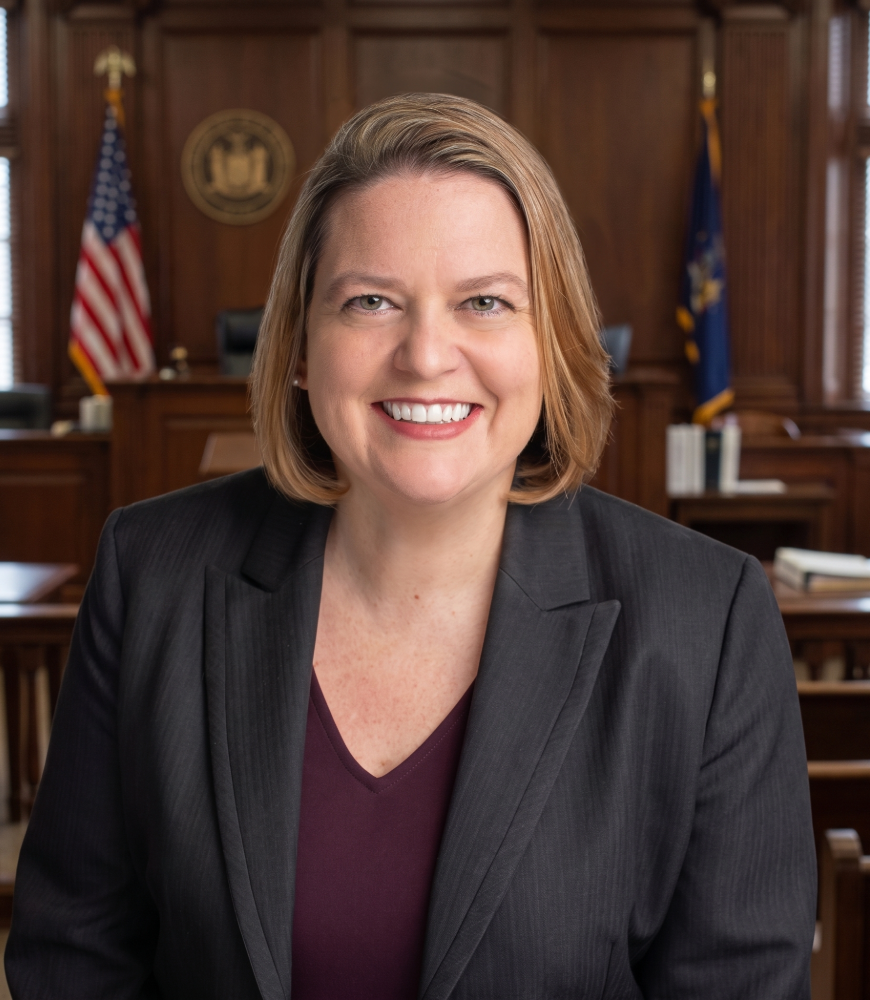
"The urge to reach out and explain is natural. It is also the fastest way to turn a defensible case into a violation."
When someone calls me the day they were served, the first thing I tell them is the hardest one to hear: do not contact the other person, no matter how badly you want to clear things up. That single piece of restraint protects you more than almost anything else. The order is not the final word; it is one side's account, and you will get your chance to respond at the hearing. But that hearing comes fast, often within about two weeks, so the time to start is now. Bring me the order and whatever you have, and we will build a calm, clear response while there is still time to do it right. Reacting fast emotionally hurts you. Acting fast legally helps you. Those are not the same thing.
These are the questions people ask most in the first hours after a protective order is served on them. If yours is not here, we are happy to answer it directly.
Read the order carefully and follow every term of it, even if you disagree with it, and then get legal advice right away. The order is in effect now, so complying with it matters while you prepare your response. The sooner you talk with an attorney, the more time there is to prepare for the hearing where you can tell your side.
Quickly. A preliminary order typically sets a full hearing within a short window, often around 15 days, so the time to prepare is limited. The day you are served is the day the clock starts. Reaching out for help immediately gives you the most time to gather your evidence and prepare.
Yes. A protective order is not final until a full hearing where both sides are heard. You have the right to appear, to present your own evidence and witnesses, and to respond to the allegations. Preparing that response carefully is what the defense process is about.
No. If the order says no contact, do not contact them in any way, directly or through others, even to explain or apologize. Any contact can be treated as a violation with serious consequences and can hurt your case. Save what you want to say for the hearing, through your attorney.
The sooner we start, the more time there is to prepare your response for the hearing. Send us the order and we will get to work today. Three offices across Northern Virginia, one phone number.