Monday - Friday8:30AM - 5PM
OfficesFairfax | Manassas | Fredericksburg


Life moves on after the ink dries. Custody and child support can be revisited when things change, spousal support unless you fix it, and property division is final. We make those lines clear before you sign.
The first call is a conversation, not a commitment.
Some parts of a separation agreement can change later; others are permanent. Custody and child support can always be revisited on a material change in circumstances. Spousal support can be modified too, unless your agreement makes it non-modifiable. Property division is generally final. Knowing which is which, before you sign, is the whole point.
One of the most useful things to understand about a separation agreement is that not all of it is built to last forever. Some terms are meant to flex as life changes. Others are meant to be permanent the day you sign. Sorting your agreement into those buckets is what lets you plan with your eyes open.
Anything about the children, custody and child support, can be revisited when circumstances change in a real way. These serve the children, not the parents, so you cannot permanently bargain them away. The standard is a material change in circumstances.
Spousal support sits in the middle. By default it can be modified on a material change. But Virginia lets you agree to make the amount or the duration non-modifiable, locking it in so neither side can change it later. That is a real choice: certainty against flexibility.
The division of property and debt is generally permanent. Equitable distribution is a one-time settling, not something you reopen because your situation shifted. This is why the property terms deserve the most care up front, because there is rarely a second chance at them.
For the terms that can change, the bar is real: a significant shift since signing, like a large change in income, a job loss, a relocation, or a meaningful change in a child's needs. Everyday ups and downs do not clear it, and the person asking for the change has to prove it.
The non-modifiable spousal support decision is one of the few in a separation that you usually cannot undo. Lock it in and you have certainty, but no relief if life turns. Leave it open and either side can ask to change it down the road. Neither is wrong; the danger is choosing by accident instead of on purpose.
Here is where each major term lands. We make sure you know the status of every one before you sign, not after something changes.
Revisited whenever a real change affects the children. Their best interests always come first.
Open to change on a material shift in income or custody. It belongs to the child, not the parents.
Changeable by default, but you can agree to lock the amount or length so it never moves.
Settled once and meant to stay settled. This is the part to get right the first time.
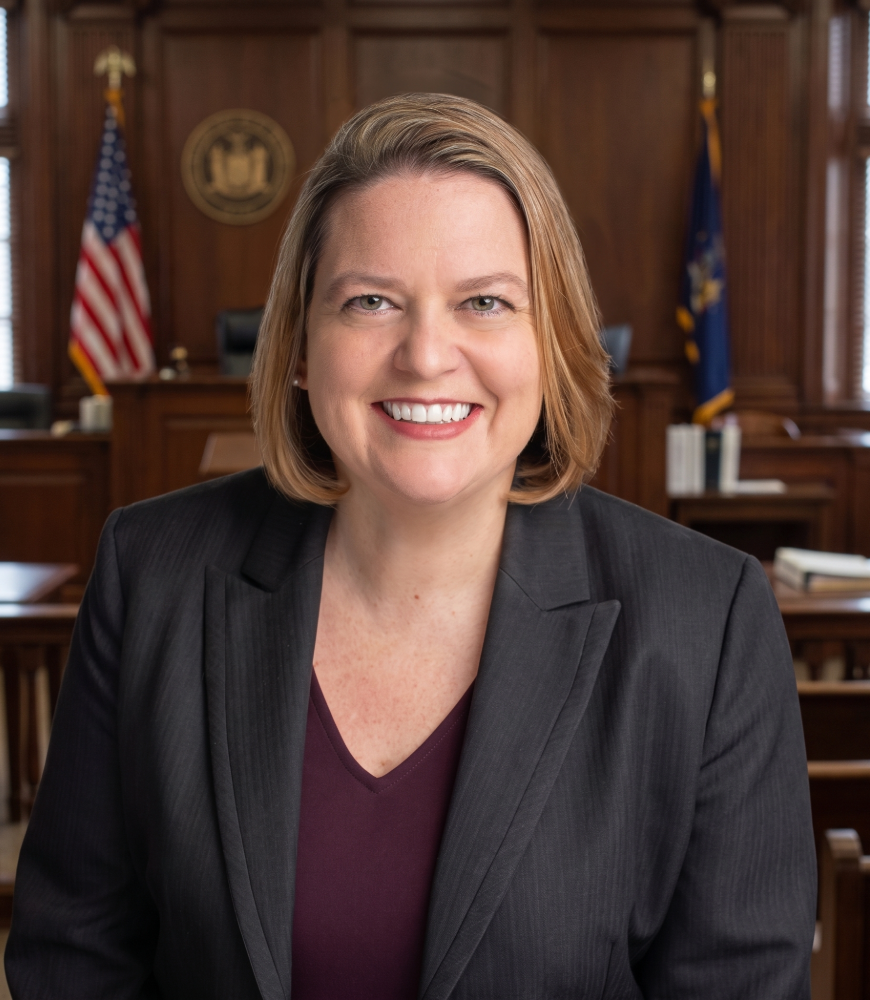
"Sign the property terms like they are permanent, because they are. The children's terms will breathe with your life. Knowing the difference changes how carefully you negotiate each one."
I want every client to leave my office knowing exactly which parts of their agreement can move later and which cannot. It changes how you negotiate. When people understand that property division is essentially permanent, they slow down and get it right. When they understand that custody and child support will always be open to a real change, they stop trying to win every future scenario today, because they cannot, and they do not need to.
The spousal support choice is the one I sit with people on the longest. Making it non-modifiable can be a gift of certainty or a trap, depending on the life that follows. There is no universal right answer, only the right answer for your situation. My job is to make sure that choice is deliberate, fully understood, and made on purpose, because it is one you usually live with for good.
These are the questions we hear most about modifying a separation agreement. If yours is not here, we are happy to answer it directly.
Some parts, yes; others, no. Anything involving the children, custody and child support, can always be revisited when circumstances change in a real way, because those serve the children, not the parents. Spousal support can usually be modified too, unless your agreement specifically makes it non-modifiable. Property division, on the other hand, is generally final once it is done.
It is a real, significant change since the agreement was signed, enough to justify revisiting custody or support. Think a large shift in income, a job loss, a move, or a meaningful change in a child's needs. Everyday ups and downs do not count. The change has to be substantial, and the person asking for the modification has to show it.
Yes. In Virginia, you can agree to make the amount or the duration of spousal support non-modifiable, so it cannot be changed later even if circumstances shift. Without that language, spousal support can generally be modified on a material change. This is a significant trade-off, certainty versus flexibility, and it is worth thinking through carefully before you sign.
Generally, yes. Equitable distribution is a one-time division of property and debt, and it is not reopened later simply because your situation changed. If the house was divided and the accounts split, that settling is meant to be permanent. That is exactly why it is worth getting the property terms right the first time, because there is usually no second chance.
Tell us about your situation and we will make clear which terms can change later and which are permanent, so nothing surprises you down the road. Three offices across Northern Virginia, one phone number.